
PRP Injections for Sports Injuries & Joint Pain

Platelet-Rich Plasma (PRP) injections are a regenerative treatment used for selected sports injuries, tendon disorders and joint pain. PRP is prepared from a sample of your own blood and injected into the affected area to support the body's natural healing process. At Northmead Medical Centre, PRP injections may be considered for suitable patients after a comprehensive medical assessment.
Conditions That May Benefit from PRP
PRP injections may be considered for selected patients with:
-
Tennis elbow
-
Golfer's elbow
-
Rotator cuff tendinopathy
-
Shoulder tendinitis
-
Achilles tendinopathy
-
Patellar tendinopathy (Jumper's knee)
-
Hamstring tendon injuries
-
Plantar fasciitis
-
Chronic ankle ligament injuries
-
Mild to moderate knee osteoarthritis
-
Sports-related muscle and tendon injuries
What Is PRP?
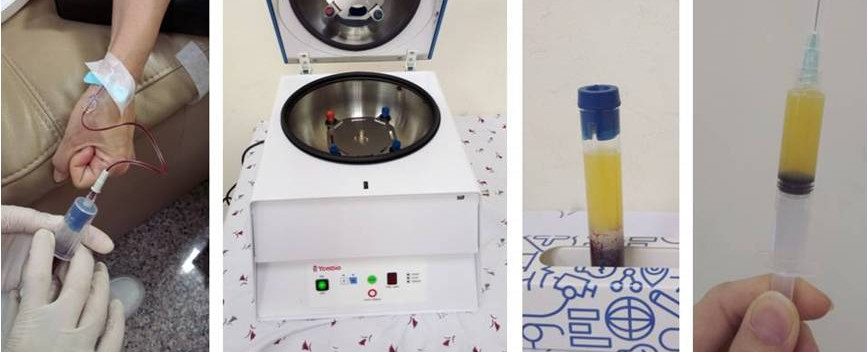
Platelet-Rich Plasma (PRP) is prepared using a small sample of your own blood.
The blood is processed to concentrate the platelets, which contain growth factors involved in tissue repair and healing. The PRP is then injected into the affected tendon, ligament, muscle or joint.
Because PRP is prepared from your own blood, there is virtually no risk of allergic reaction.
Benefits of PRP Therapy
PRP treatment may help:
-
Promote the body's natural healing response
-
Reduce pain
-
Improve function
-
Support recovery from tendon injuries
-
Improve participation in rehabilitation
-
Reduce reliance on pain medication
-
Delay more invasive treatments in selected patients
As with all treatments, individual results vary depending on the underlying condition.
The PRP Procedure
The procedure generally involves:
-
Assessment of the injury.
-
Collection of a small blood sample.
-
Preparation of the PRP using a centrifuge.
-
Injection of the PRP into the affected area.
-
Advice regarding rehabilitation and follow-up care.
The procedure usually takes 30 to 45 minutes.
Benefits of PRP Injection Therapy
PRP injection therapy may offer several potential benefits for selected patients with sports injuries and musculoskeletal conditions, including:
-
Supporting the body's natural healing process
-
Reducing pain and inflammation
-
Improving joint or tendon function
-
Promoting recovery from tendon, ligament and muscle injuries
-
Assisting return to sport and normal daily activities
-
Using the patient's own blood, minimising the risk of allergic reaction
-
Providing a non-surgical treatment option for selected conditions
The degree of improvement varies depending on the condition being treated, the severity of the injury and individual healing response.
Risks & Side Effects
PRP injections are generally well tolerated because the treatment uses your own blood. However, as with any injection procedure, potential risks include:
-
Temporary pain or soreness at the injection site
-
Mild swelling or bruising
-
Temporary stiffness
-
Bleeding
-
Infection (rare)
-
No improvement in symptoms despite treatment
Some patients experience increased discomfort for several days after the injection before gradual improvement occurs. Your doctor will discuss the potential benefits and risks before treatment.
Recovery & Aftercare
Following a PRP injection, your doctor will provide individualised aftercare instructions.
Patients are commonly advised to:
-
Rest the treated area for the first 24–48 hours
-
Avoid strenuous exercise for a period recommended by your doctor
-
Avoid anti-inflammatory medications (NSAIDs) for a period after treatment, where appropriate
-
Use paracetamol if pain relief is required, unless otherwise advised
-
Commence or continue a rehabilitation programme, including physiotherapy if recommended
Recovery varies depending on the injury being treated. Improvement is often gradual over several weeks to months as tissue healing occurs.
Your local doctor specializes in
skin cancer diagnosis and minor surgeries.
 implanon-insertion-and-removalit can be used in the treatment of many musculoskeletal injuries including that of tendons, muscles and joints. Typically 2 or more injections are required, separated by 4-6 weeks apart. This may vary dependant on your injury. |  Ingrown toenailOften the medial or lateral nail edge of an incurved toenail may press into the nail sulcus without actual skin penetration leads to the formation of a painful hyperkeratotic lesion the nail plate penetrate through the thin skin of the nail sulcus, infection and hypergranulation tissue |  skin taga small flap of tissue that hangs off the skin by a connecting stalk. They are usually found on the neck, chest, back, armpits, under the breasts, or in the groin area. |
|---|---|---|
 seborrheic keratosisbenign Its colour can range from white to brown or black raised areas. It often appear on s chest, arms, back, or other areas. |  infected sebaceous cystsmall lumps that arise within the skin on the face, upper back and upper chest. It can form when the opening to a sebaceous gland becomes blocked. The oily substance called sebum continues to be produced but cannot escape to the outer skin surface. Inflamed cysts usually are treated by draining the fluid and removing the shell that make up the cyst wall. |  Wartsit caused by a virus called human papillomavirus (HPV). spread to other parts of the body and to other people by contact. Genital warts are linked to cervical, anal, and other types of cancer. |