

Northmead Medical Centre assesses and treats a wide range of workplace injuries and work-related conditions under the NSW workers compensation system. These may include back and neck injuries, musculoskeletal injuries, repetitive strain injuries, workplace accidents, occupational illnesses and psychological injuries. Early medical assessment can help establish a diagnosis, begin appropriate treatment and support a safe return to work.

Back Injuries
Heavy lifting, repetitive movements and poor posture are common causes of workplace back injuries. Symptoms may include back pain, stiffness and reduced mobility.
Back injuries may involve muscle strains, ligament sprains, herniated discs or, less commonly, spinal fractures. Symptoms can range from mild discomfort to severe pain, stiffness and reduced mobility. Early medical assessment is important to identify the extent of the injury, begin appropriate treatment and reduce the risk of long-term complications. Treatment may include pain management, physiotherapy, activity modification and, when necessary, specialist referral. If you develop back pain after a workplace accident, heavy lifting or repetitive work, seek prompt medical assessment. Early diagnosis and treatment can support a faster recovery and a safe return to work.

Musculoskeletal Injuries
Musculoskeletal injuries include muscle strains, ligament sprains, tendon injuries, fractures and joint problems caused by lifting, repetitive work, awkward movements or falls.
These injuries can affect the muscles, tendons, ligaments and joints and are among the most common work-related conditions. Symptoms may include pain, swelling, stiffness, weakness and reduced movement. Early assessment and treatment can support recovery and reduce the risk of ongoing problems. Management may include rest, pain relief, physiotherapy, exercise rehabilitation, ergonomic adjustments and temporary modification of work duties. Following the recommended rehabilitation program and gradually returning to normal activities can help restore function and support a safe return to work.
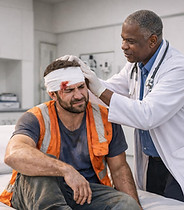
Traumatic Workplace Injuries
Falls, machinery accidents, burns, cuts and crush injuries can cause significant workplace trauma and may require prompt medical assessment.
Traumatic workplace injuries may result from falls from heights, slips and trips, machinery incidents, falling objects, burns, cuts or crush injuries. The severity can vary from minor soft-tissue injuries to fractures, head injuries or more serious trauma. Early medical assessment is important to identify hidden injuries, arrange appropriate investigations and begin treatment promptly. Management may include wound care, pain relief, imaging, immobilisation, physiotherapy or specialist referral depending on the injury. Prompt treatment can reduce complications, support recovery and help plan a safe return to work.

🧠 Psychological Workplace Injuries
Workplace bullying, harassment, excessive stress or traumatic events may contribute to psychological injuries such as anxiety, depression, adjustment disorder or post-traumatic stress disorder (PTSD).
Psychological workplace injuries can develop after ongoing workplace stress, bullying, harassment, conflict or exposure to traumatic events. Symptoms may include anxiety, low mood, sleep disturbance, reduced concentration, irritability, panic symptoms or difficulty coping with normal work duties. Early assessment is important to understand the impact of the workplace event, identify any safety concerns and develop an appropriate treatment plan. Management may include supportive counselling, psychological therapy, medication where clinically appropriate, workplace modifications and referral to a psychologist or psychiatrist when needed. Ongoing review can help monitor recovery, assess work capacity and support a gradual and safe return to work.

Repetitive Strain Injuries (RSI)
Repetitive Strain Injuries (RSIs) develop gradually due to repetitive movements, prolonged poor posture or inadequate workplace ergonomics. Common examples include carpal tunnel syndrome, tendonitis and bursitis.
RSIs are among the most common work-related conditions and typically affect the hands, wrists, elbows, shoulders and neck. Early symptoms may include pain, tingling, numbness, weakness, stiffness or reduced grip strength, which can worsen over time if left untreated. Early diagnosis and treatment can help prevent long-term disability. Management may include activity modification, ergonomic workplace adjustments, physiotherapy, splinting, medication and a graduated return-to-work plan where appropriate. If you develop persistent pain, numbness or weakness associated with repetitive work, seek medical assessment promptly to support recovery and prevent further injury.

Construction & Industry-Related Injuries
Construction, manufacturing and agricultural workers may be exposed to falls, machinery injuries, falling objects, manual handling incidents and hazardous substances.
Industry-related workplace injuries can occur because of falls from heights, heavy machinery, moving equipment, falling objects, repetitive manual work or exposure to chemicals and other hazardous materials. These injuries may involve fractures, soft-tissue injuries, head injuries, cuts, crush injuries, back injuries or respiratory and skin conditions, depending on the type of exposure. Prompt medical assessment is important, particularly after significant trauma or exposure, as some injuries may not be immediately apparent. Treatment may include imaging, wound care, medication, physiotherapy, activity modification, specialist referral and temporary work restrictions. Ongoing review can help monitor recovery, document work capacity and support a safe and appropriate return to work.
Occupational Diseases & Infections
Exposure to chemicals, dust, noise or infectious agents at work can lead to occupational diseases and infections, such as asthma, dermatitis, hearing loss and blood-borne infections.
These conditions may include occupational asthma, dermatitis, hearing loss, chronic respiratory disease and infections following exposure to blood or other infectious materials. Early medical assessment helps identify workplace exposure, begin appropriate treatment and support WorkCover documentation and a safe return to work.

Why Early Medical Assessment Matters
🛡️ Some injuries may not be obvious immediately
🩺 Early treatment may reduce complications and speed recovery
📋 Prompt assessment supports accurate WorkCover documentation
✅ Supports a safe and successful return to work
